Mower Reviews: Research-Based Model Breakdowns
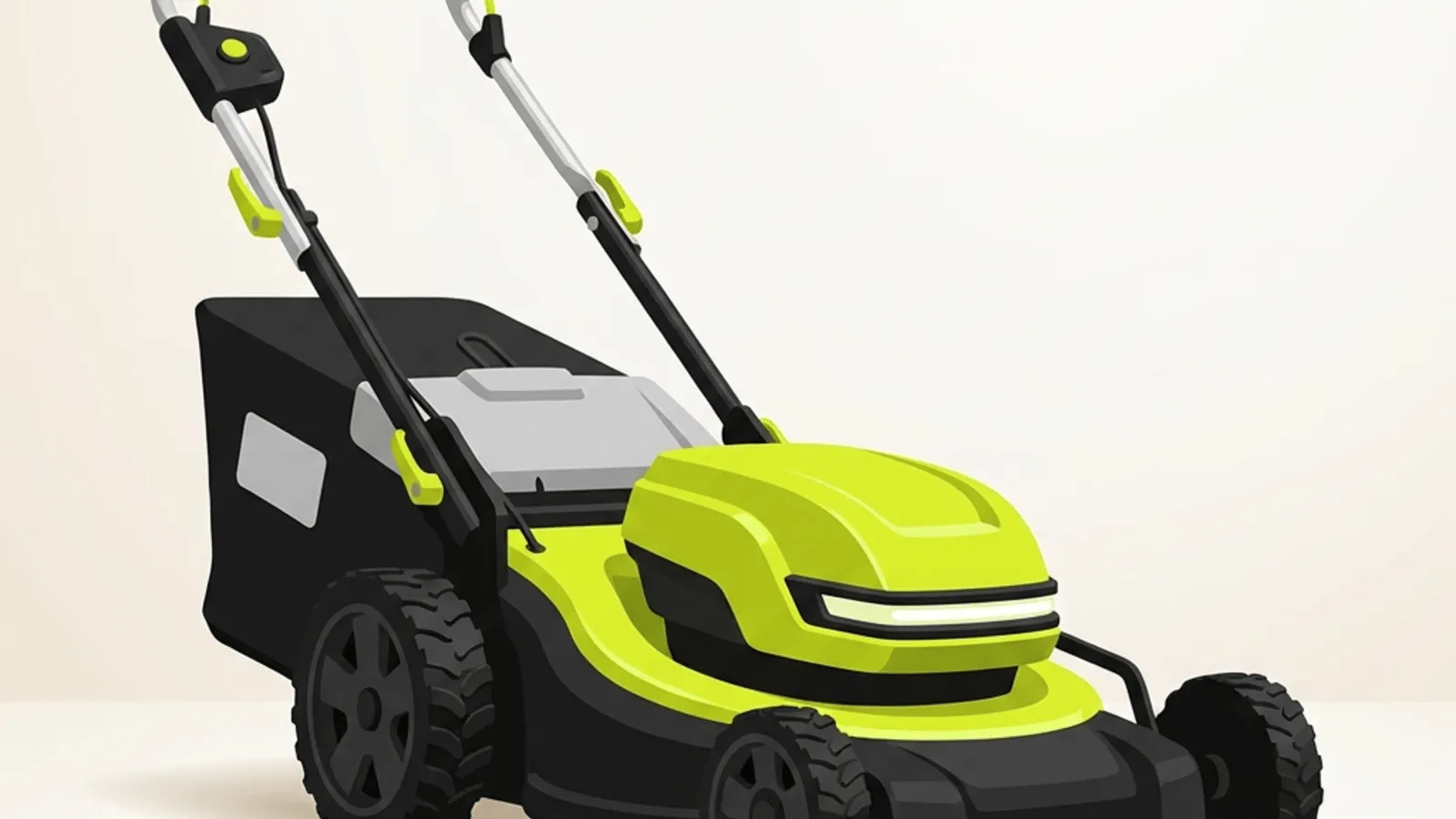
Ryobi 40V HP 21-Inch Review: The Ecosystem Value Play
Ryobi RY40HPLM01K2 review: dual 6.0Ah packs (480 Wh), up to 80 minutes run time claimed, self-propelled, and the 85+ tool 40V platform. Who it fits.

Research-based reviews of the cordless mowers that matter: EGO LM2135SP, Greenworks 80V 21-inch, and Ryobi 40V HP. Specs, warranty, and honest fit.
Most mower “reviews” on the internet are one of two things: a single unboxing written by someone who used the machine twice, or a listicle built from press releases. Neither tells you whether the mower fits your yard. These reviews are built differently — each one starts with the manufacturer’s own specification sheet, adds the warranty terms in plain language, runs the watt-hour math for real yard sizes, and weighs owner-reported patterns from long-term use. Nobody here claims to have tested these machines in a lab, and you should be suspicious of any site that does.
| Review | The short version | Best for |
|---|---|---|
| EGO LM2135SP | 21-inch Select Cut deck, 7.0 ft-lb torque, up to 60 minutes on the included 7.5Ah pack, 5-year tool warranty | The all-round benchmark — best cut quality and the deepest 56V ecosystem |
| Greenworks 80V 21-inch | The LM2108S flagship packs 640 Wh and a claimed up to 80 minutes; the MO80L410 is the value push path into 80V | Maximum runtime per charge — finishing the yard on one battery |
| Ryobi 40V HP 21-inch | Dual-battery self-propelled kit with two 6.0Ah packs (480 Wh), up to 80 minutes claimed, and the 85+ tool 40V platform | Value and ecosystem — especially if you already own Ryobi 40V tools |
Every review follows the same method, and it’s the same method used across the whole site (the how-we-rate page documents it in full):
What you won’t find here: dollar prices (they change weekly and belong on the retailer page), star ratings copied from listings, or claims that anyone on this site pushed these mowers around a test lawn. Ratings use five plain words — Excellent, Very Good, Good, Average, Weak — each defined on the how-we-rate page.
A rating is an editorial judgment from research, not a lab score. “Excellent” means best-in-class for the category at the time of writing; “Weak” means a real weakness that should factor into your decision. The six rated dimensions — cutting performance, runtime, maneuverability, battery ecosystem, features, and value — are the same on every review, so you can compare across models.
Each review links sideways to its siblings and upward to this hub, and they all feed the bigger decision pages: the best cordless mowers list, the yard-size guides, and the head-to-head comparisons. If you’re deciding between two brands rather than two models, the comparison pages are the faster read; if you’re still figuring out how much battery your yard needs, start with the battery runtime guide and come back here once you know the watt-hours.
You’ve narrowed your search to a specific model and want the spec-level breakdown, warranty terms, and honest fit analysis before buying
You’re still deciding between brands or yard sizes — the comparisons and yard-size guides are the faster starting point
You want the shortlist first — the best-of pages name the picks, and the reviews here go deeper on each one
Mower Reviews: Research-Based Model Breakdowns
Ryobi RY40HPLM01K2 review: dual 6.0Ah packs (480 Wh), up to 80 minutes run time claimed, self-propelled, and the 85+ tool 40V platform. Who it fits.

Mower Reviews: Research-Based Model Breakdowns
Greenworks 80V 21-inch review: the LM2108S self-propelled flagship (640 Wh, up to 80 min), the MO80L410 value push path, and the LMB401 alternative.
Mower Reviews: Research-Based Model Breakdowns
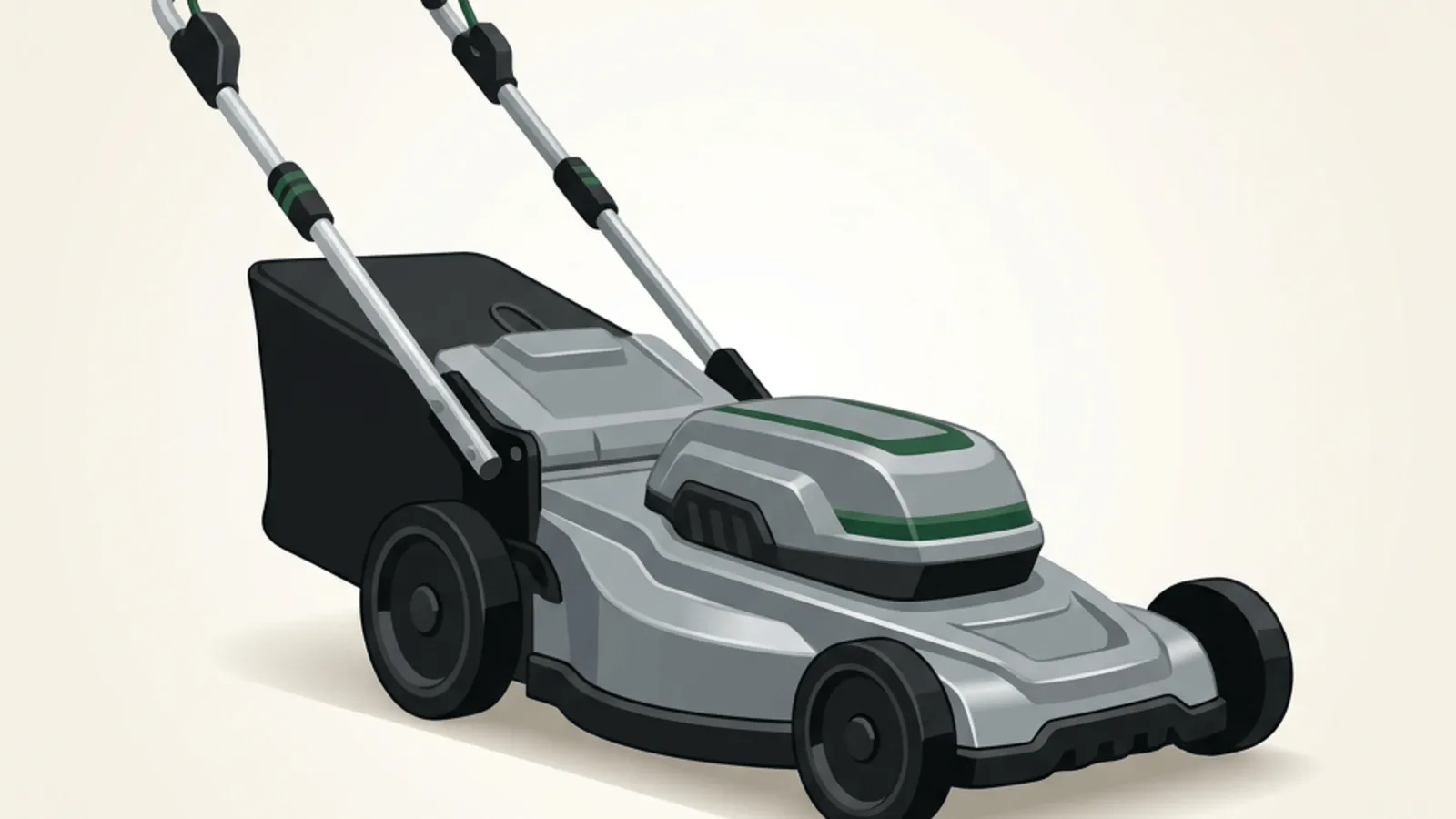
EGO LM2135SP review: 21-inch Select Cut deck, 7.0 ft-lb torque, up to 60 minutes on a 7.5Ah pack, 5-year tool warranty. Who it fits and who should skip it.